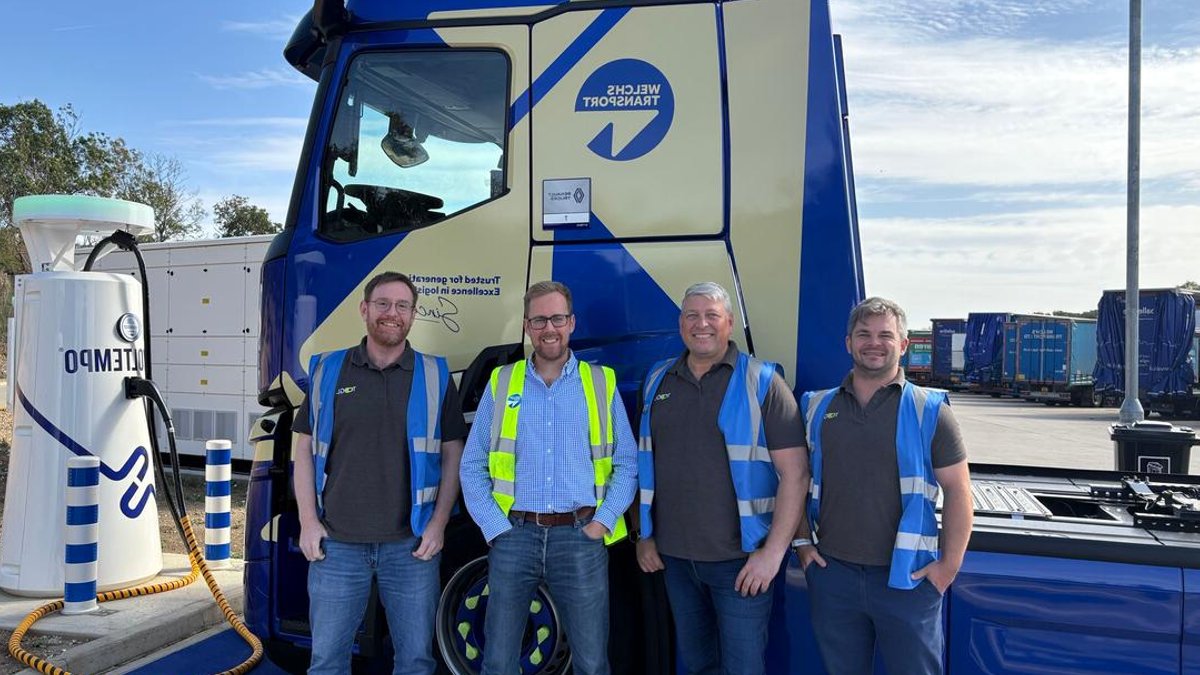
Welch Group, a transport and logistics fleet operator, plans to evaluate a program that coordinates electric-vehicle (EV) charging with departure times, aiming to determine if vehicles can operate on its depot grid. The trial will employ TOGL’s depot-flexibility platform, applying shift schedules, vehicle needs and site power constraints.
Depot Grid Constraints
Welch Group is set to evaluate the extent of charging flexibility within its operations, ensuring no disruption to transport schedules or vehicle availability. This initiative is part of the fifth round of the Freight Innovation Fund Accelerator, managed by Connected Places Catapult for the Department for Transport.
Scheduling charging based on departure times can lead to cost savings and improved efficiency. When electric vehicles return to a depot and connect to chargers simultaneously, it can create a significant additional load, increasing charging expenses and straining the site’s power capacity.
TOGL’s Software
TOGL’s software integrates vehicle schedules, charging needs, and site power limits, optimizing charging times based on departure requirements rather than immediate charging upon return. The company asserts this method can shift charging to lower-cost periods, reduce peak demand, and enable fleets to operate more electric vehicles within existing grid constraints.
The Welch Group trial will test these claims under real operating conditions. Jamie Sands, head of solutions at Welch Group, said: “We provide transport and logistics solutions across the UK and are very conscious of our environmental impact. Working with TOGL gives us an opportunity to design a trial around our operating conditions, exploring how charging can be scheduled in a more effective and environmentally aware way, without compromising the readiness of the vehicles that our customers depend on.”
Welch Group operates transport, warehousing, and specialist logistics services from sites in Duxford and Bedford. TOGL is one of 11 small and medium-sized businesses selected to develop a trial through the Freight Innovation Fund Accelerator.
Funding and Investment
The trial announcement follows an £850,000 pre-seed investment round secured by TOGL. The funding will be used to expand its team, develop the depot charging software, and accelerate work with fleet operators and energy companies. The investment round was led by Haatch, with additional backing from Setanta Vehicle Importers and Fhunded Angels.
Will Maden, TOGL’s chief executive and co-founder, noted that depot electrification often fails due to financial impracticality. Fleets may face high ownership costs or discover insufficient grid capacity after acquiring vehicles and chargers, he explained.
Maden said the investment would allow TOGL to expand its team, continue developing its technology, and help fleets address these constraints. He said the Welch Group trial would allow the software to be tested against real vehicle movements. Maden added: “We’ll show how TOGL can reduce charging cost, fit more vehicles onto the depot’s grid connection, and, importantly, make sure every vehicle is ready for its shift.”
TOGL also secured £25,000 through the Baltic Ventures Accelerator 2026 earlier in September. The company’s software has the potential to make a significant impact on the logistics industry, and the upcoming trial with Welch Group will be an important test of its effectiveness. They will use the trial to demonstrate the software’s capabilities and gather data on its performance.


