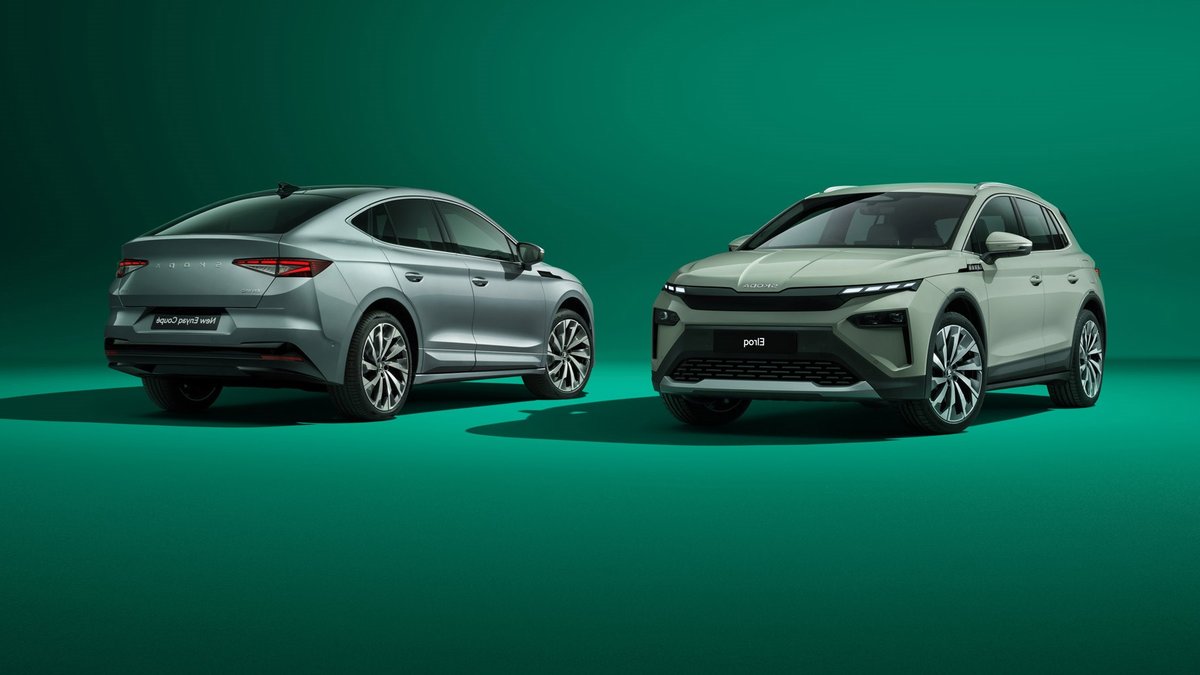
The Volkswagen Group is set to undergo significant changes as part of its ‘Group Future Plan 2030’, which includes drastic job and model cuts. The plan aims to reduce the number of models produced by up to 50 per cent by 2035 and decrease the number of variants and trims by 75 per cent to save production complexity.
Skoda’s CEO, Klaus Zellmer, discussed the company’s position within the Group, stating that Skoda is doing ‘reasonably well’ with a record profit of €1.4bn in the first half of 2026. Skoda continues to increase its sales and is already running a lean operation with production at several factories running at full capacity.
Zellmer compared the company’s situation to sports, saying ‘you have your fitness regime. If you stop training, if you stop looking at your diet and everything that you know keeps you competitive, you’re going to lose.’ Skoda has been on this program for the past years and plans to continue.
Model Cuts and Portfolio Decisions
The VW Group’s plan to cut models and variants may affect Skoda’s current model range, which includes 10 cars. Zellmer said it’s not a given that all Skoda models will continue in the future. Falling demand for saloons and estates may lead to the retirement of the Superb and the Octavia stepping upmarket to fill its place.
The current practice of offering two cars in the same segment, one with an internal combustion engine or hybrid and one electric, will come to an end as the market evolves more towards fully electric vehicles. Skoda has already taken steps in this direction by not producing an electric Fabia-sized EV to compete with the Volkswagen ID. Polo.
The new Skoda Peaq is the only electric seven-seat VW Group SUV in Europe, and this approach is expected to continue across the wider portfolio. Zellmer emphasized the need for the Group’s brands to be complementary, rather than competing in the same segments.
Reducing Badge Engineering
The VW Group plans to reduce badge engineering, where multiple cars from different brands share the same architecture. This practice has been common in the Group, with examples like the Seat Ibiza, Skoda Fabia, and VW Polo sharing the same platform.
Skoda has been successful in differentiating its models, such as the Octavia, which uses the Golf platform but offers a distinct product. The company plans to continue this approach, focusing on creating unique models that don’t compete directly with other Group brands.
Zellmer stated that the goal is to ‘make sure that our footprint overall in the market is big, and we’re not standing on each other’s feet.’ This approach will lead to portfolio decisions that may seem surprising from a single brand’s perspective but make sense when considering the Group’s overall potential.
Complementary Brands
The VW Group’s brands will need to be complementary, covering different niches, segments, and target groups. Zellmer said, ‘We need to be complementary, because you can’t, with every brand, cover every niche and every segment and every target group out there.’
This approach will allow the Group to optimize its portfolio and reduce competition between its brands. By focusing on distinct models and segments, the brands can coexist and thrive within the Group’s overall strategy.
Skoda will continue to play a key role in the Group’s plans, with Zellmer at the helm. The company’s ability to adapt to changing market demands and consumer preferences will be key in the coming years.
The VW Group’s ‘Group Future Plan 2030’ is a full strategy that aims to reduce production complexity and improve efficiency. The plan includes reducing the number of models produced and decreasing the number of variants and trims.
Zellmer’s comments suggest that the company is committed to creating unique models that don’t compete directly with other Group brands. This approach will allow the Group to optimize its portfolio and reduce competition between its brands.
The future of the automotive industry is uncertain, but one thing is clear: the VW Group is committed to adapting to changing market demands and consumer preferences. The company’s ability to evolve and thrive in a rapidly changing market will be key in the coming years.
The VW Group’s plans to reduce badge engineering and create complementary brands will be important in achieving this goal. By focusing on distinct models and segments, the brands can coexist and thrive within the Group’s overall strategy.
Zellmer’s leadership will be important in guiding Skoda through this period of change. The company’s ability to adapt to changing market demands and consumer preferences will be key in the coming years.
The VW Group’s ‘Group Future Plan 2030’ is a significant step towards reducing production complexity and improving efficiency. The plan includes reducing the number of models produced and decreasing the number of variants and trims.
The company’s commitment to creating unique models that don’t compete directly with other Group brands is a key part of this strategy. This approach will allow the Group to optimize its portfolio and reduce competition between its brands.
The future of the automotive industry is uncertain, but the VW Group is well-positioned to adapt to changing market demands and consumer preferences. The company’s ability to evolve and thrive in a rapidly changing market will be key in the coming years, with 2035 being a key target date for the Group’s plans.


