Performance car enthusiasts often mourn the loss of models that defined eras, but some departures leave a lingering ache that goes beyond mere nostalgia. These seven cars represent more than just discontinued lines—they signal the end of entire philosophies in automotive engineering. From naturally aspirated roadsters to rally-bred sedans, each was silenced by shifting market forces, regulatory pressures, or corporate strategy, leaving gaps that remain unfilled and deeply felt by enthusiasts today.
Honda S2000
The Honda S2000 epitomized lightweight, high-revving purity in sports car design. Its 2.0-liter naturally aspirated engine redlined past 8,000 RPM, paired with a six-speed manual transmission and rear-wheel drive configuration. Designed as a driver’s car, it stripped away excess to focus on raw engagement between human and machine.
Honda ended S2000 production in 2009, and no direct successor has emerged since that year. While the Civic Type R and NSX exist in the brand’s lineup, they occupy different segments and price points, leaving a void for a mid-engine, high-RPM roadster that defined a generation of Japanese performance engineering excellence.
Ford Focus RS
Ford’s Focus RS line showcased the automaker’s ability to pack outrageous performance into accessible packages for everyday drivers. The Mk2’s 2.5-liter turbocharged five-cylinder engine and the Mk3’s 345 bhp four-wheel-drive system with Drift Mode redefined what hot hatchbacks could achieve on both road and track.
Production ceased in 2018 as Ford began dismantling much of the performance-car ladder that had made it such a favourite among enthusiasts. The chances of another RS look increasingly slim.
Mitsubishi Lancer Evolution
The Evolution X, the tenth and final generation, concluded a 25-year run of legendary rally-inspired sedans that captivated enthusiasts worldwide. With all-wheel drive, turbocharged engines, and aerodynamic enhancements, each iteration pushed the boundaries of what was possible in street-legal performance vehicles.
Mitsubishi eventually called time on the Evo after ten generations, with the final Evolution X-based cars bringing the story to a close in the middle of the last decade. The company has since shifted its attention towards SUVs, crossovers and electrification, leaving no real successor. Values of good Evos have climbed with there simply not being anything new that offers quite the same combination of rally heritage, everyday practicality and point-to-point pace.
Renault Megane RS
Renaultsport’s Megane RS earned acclaim for front-wheel-drive excellence, particularly in Trophy and Trophy-R variants that set multiple Nürburgring lap records. Its 1.8-liter turbocharged engine and precisely tuned chassis balanced daily comfort with track-ready performance and agility.
The Ultime marked the end of the Megane RS and Renaultsport’s standalone identity as a dedicated performance division. Alpine now handles performance variants, but electric models lack the internal-combustion character and front-drive handling that defined the Megane’s reputation among driving enthusiasts.
Subaru WRX STI
The WRX STI became synonymous with rally-bred performance, featuring a turbocharged boxer engine, advanced all-wheel drive system, and Brembo brakes. Its aggressive styling and track-focused suspension made it a standout in the compact performance category for enthusiasts seeking raw, unfiltered driving experiences.
Subaru ended the previous-generation STI without producing a direct replacement based on the current WRX, citing the rapidly changing regulatory system around performance and electrification. That decision left a huge hole in the market, and though you can still buy quick four-wheel-drive cars, very few come with the STI’s combination of rally heritage, aggression and four-door usability.
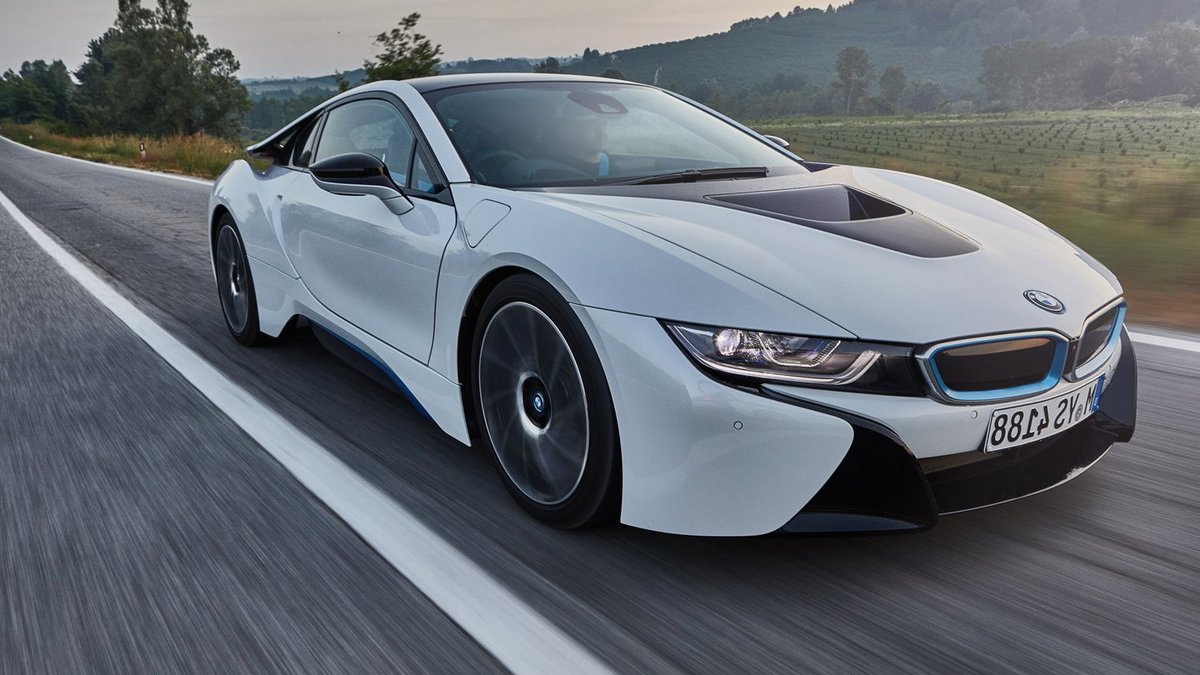
BMW i8
The i8 blended supercar aesthetics with hybrid innovation, using carbon fiber construction and a plug-in powertrain to create a futuristic roadster that captured imaginations worldwide. Its dihedral doors and concept-car styling signaled BMW’s vision for electrified performance in the luxury sports car segment. Its three-cylinder engine meant it never had the soundtrack or outright performance of more conventional supercars, but that rather misses the point. BMW stopped building the i8 in 2020 and still hasn’t created a direct successor. With electrified performance now completely normal, it seems particularly strange that the company which put something as adventurous as the i8 into production more than a decade ago no longer makes anything quite like it.


