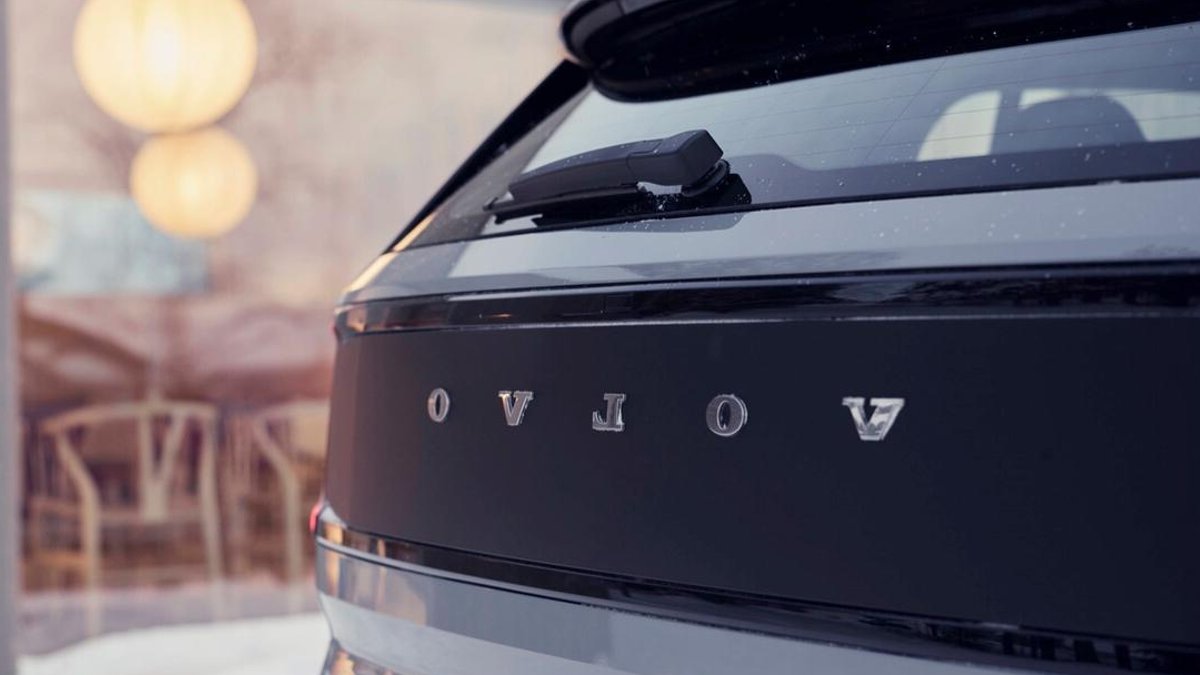
Volvo has announced a major strategic reset, confirming plans to launch 13 new electrified cars globally by 2030. The Swedish automaker will introduce seven new models in Western markets and six in China, combining electric vehicles (EVs) and third-generation plug-in hybrids (PHEVs). The initiative signals a shift toward a more adaptable electrification strategy that can meet a broad spectrum of customer preferences and regional market conditions. The plan was announced on 17 September during Volvo Cars’ Strategy Update in Stockholm.
A Broader Lineup for Diverse Markets
The new strategy, unveiled at Volvo Cars’ Strategy Update in Stockholm, includes a mix of saloons, estates, and SUVs. The brand intends to serve fleets and company-car drivers by expanding its portfolio with vehicles that suit both private and corporate use.
The company is targeting an EBIT margin of over 8% in the long term, up from 3.5% in 2025, while also aiming to double its market share. This financial ambition is tied to the broader plan of delivering more electrified options across its range.
Balancing Technology and Tradition
Earlier this week, Volvo revealed a new long-range PHEV system for the XC60 and XC90. The powertrain pairs a larger battery with an efficient gasoline engine, giving electric ranges of up to 124 miles for the XC60 and 99 miles for the XC90.
These models will be available early next year, and a facelifted version of the XC40 will join the lineup at the same time.
Volvo’s reset also includes a significant change in its interior design philosophy. Design chief Thomas Ingenlath emphasized the need to balance touchscreen interfaces with physical controls. He explained that tactile knobs will return for climate and audio functions, while the central screen will continue to host navigation and infotainment.
This approach contrasts with the industry’s screen-heavy trend. The automaker aims to create intuitive, high-quality cabins without reverting to outdated dashboards, and the first indication of this new design philosophy is expected in a concept car to be shown in 2027, Volvo’s centenary year.
Cost Savings and Regional Focus
The brand plans to leverage its SPA2 and SPA3 architectures and the HuginCore computing platform to reduce investment costs for new vehicles. By sharing core components, the maker expects to achieve 30% commonality in parts by 2030, which should help lower material expenses by 5%.
While company-car taxation continues to favour zero-emission models, a 4% benefit-in-kind (BiK) rate is set for EVs in the 2026/27 fiscal year, but long-range plug-in hybrids still give an affordable alternative for drivers who cannot yet rely fully on public or home charging infrastructure.
For European customers, Volvo is exploring how regional preferences could shape its designs. Ingenlath hinted at a focus on lower-slung models such as saloons and estates, contrasting with the larger vehicles prioritized for North America.
Evolving Customer Relationships
Beyond vehicle sales, the automaker is redefining its customer relationship by offering a broader range of services, including software, Volvo ID, Care subscriptions and ongoing digital services.


