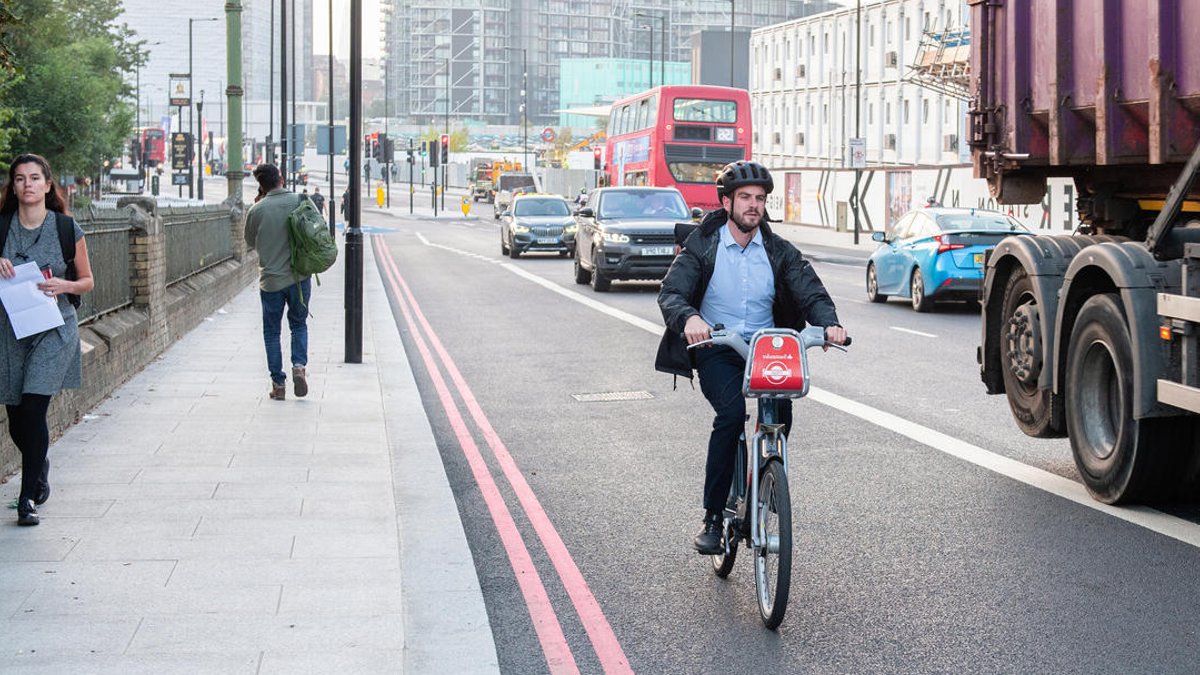
A travel hierarchy helps organizations cut business mileage, emissions, and travel costs by guiding staff through a series of decisions before any trip is made. The framework starts with a simple question: is the journey necessary, or could a virtual meeting or phone call suffice? If travel is required, employees are encouraged to consider walking, cycling, or public transport. Company cars, pool vehicles, or rental options come next, with personal vehicles—the so-called grey fleet—reserved as a last resort due to higher emissions and reimbursement costs.
Measuring Success at the Environment Agency
The Environment Agency has used a travel hierarchy for over a decade, reporting a 13% drop in business miles between 2019/20 and 2025/26, along with a 93% reduction in average tailpipe emissions from its leased car fleet. This shift is largely tied to the agency’s transition toward electric vehicles.
Jim Gregory, strategic fleet manager at the Environment Agency, emphasized that the travel hierarchy supports more than just emissions cuts. Tom Goddard, a net zero specialist at the agency, noted: “The travel hierarchy is not just an emissions reduction measure. The hierarchy is all about balancing necessity, operational need, wellbeing, cost and carbon.” The policy isn’t designed to stop travel outright but to ensure journeys are essential and use the most sustainable and cost-effective mode available.
Steps to Build and Roll Out a Travel Hierarchy
Organizations looking to adopt a travel hierarchy should start by defining clear objectives. The University of Cambridge, for instance, integrates its “journey management hierarchy” into its broader carbon reduction strategy, allowing exceptions for justified cases such as key meetings that build collaborations. Goddard advised that the approach works best when seen as an enabler rather than a restriction, with senior leaders modeling sustainable choices and setting expectations that travel should add value.
Read Also: Volvo plans 13 electrified models by 2030
Next, engaging stakeholders, including sustainability teams, communication specialists, data analysts, and line managers, is critical. Understanding staff travel patterns, such as journey length and timing, helps tailor options. Cambridge staff can access pool bikes, e-scooters via Voi, and electric buses, with grey fleet usage kept to short or logistically complex trips. The Environment Agency allows vehicle use when staff must carry equipment, visit multiple sites, or travel to remote areas with limited public transport.
Selecting the right suppliers ensures staff have access to approved, low-emission options. Digital booking systems streamline compliance and choice. Communication efforts, including policy updates and induction materials, reinforce the hierarchy. Finally, tracking metrics like mileage by vehicle type, emissions, and spending helps measure impact and identify areas for improvement.
Staff Mobility Patterns and Infrastructure Support
Understanding existing travel behavior helps organizations tailor their hierarchy to real-world needs. At the University of Cambridge, most staff trips occur within the local campus area, prompting investment in accessible alternatives. The university provides 100 pool bicycles for short-distance movement, while electric bikes and scooters are available through its partnership with Voi. Fully electric bus services, including the U-bus, offer subsidized or free options for staff commuting across sites.
Policy Integration and Compliance Tools
Digital platforms guide staff toward approved options, ensuring alignment with policy while simplifying decision-making. These tools also help enforce compliance without creating barriers for legitimate use cases.


