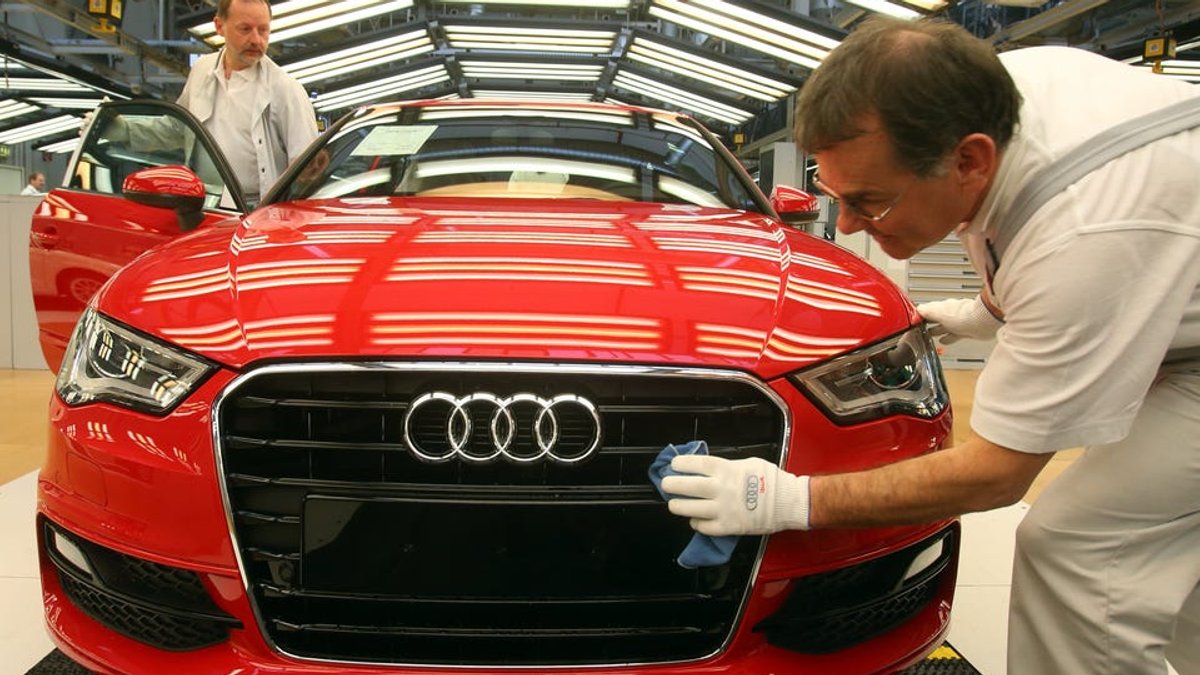
Audi announced plans to establish its first U.S. production facility in Macon, Georgia, with construction set to begin in 2027. The decision was made public by President Donald Trump during a rally supporting Republican U.S. Senate candidate Mike Collins in Perry, Georgia, on October 24. The luxury automaker, owned by Volkswagen Group, will invest approximately $4 billion to create what it describes as a “mega U.S. production site” capable of producing up to 200,000 vehicles annually. Production is expected to start in the early 2030s, focusing on high-end SUV models popular in the American market.
Strategic Location and Tariff Considerations
The Georgia plant will become one of Audi’s largest global production sites, creating around 4,500 jobs. According to Audi of America president Vito Paladino, 50 percent of the vehicles produced will be sold in the U.S. market. The automaker’s three-year search for a U.S. location considered over 70 sites, including areas near Volkswagen’s Chattanooga factory and the former Scout Motors facility in South Carolina. Key factors included access to energy supplies, proximity to Volkswagen’s North American supplier network, and availability of flat land.
Audi’s decision accelerated by rising tariff costs. The company currently imports all its models from Mexico and Europe, paying $1.4 billion in duties last year. Volkswagen Group faced $4 billion in U.S. tariffs in 2025. Establishing domestic production aims to reduce these financial burdens. However, Volkswagen’s supervisory board has not yet approved the plan, with a final decision expected by year-end. In the interim, Audi’s Q3 production will continue in Hungary, while the Q5 remains in Mexico. A separate facility in South Carolina will produce 25,000 Audi units annually.
Ambitions for North American Market Growth
Audi’s North American sales declined 16 percent in 2025, prompting the expansion. Gernot Döllner, chairman of Audi AG’s board, stated the U.S. is a critical premium market where Audi has not fully realized its potential. The Georgia facility aligns with broader efforts to strengthen the brand through premium products, marketing, and local manufacturing. Georgia governor Brian Kemp praised the move, calling it a “defining moment” for the state’s industrial reputation.
The investment shows Volkswagen Group’s commitment to the North American market. Once operational, the Macon plant will serve as a key hub in Audi’s global production network. While the project aims to boost U.S. sales, its immediate impact hinges on overcoming logistical and regulatory hurdles. Tariff relief or broader Volkswagen Group benefits from the facility remain unclear, leaving future outcomes uncertain.


