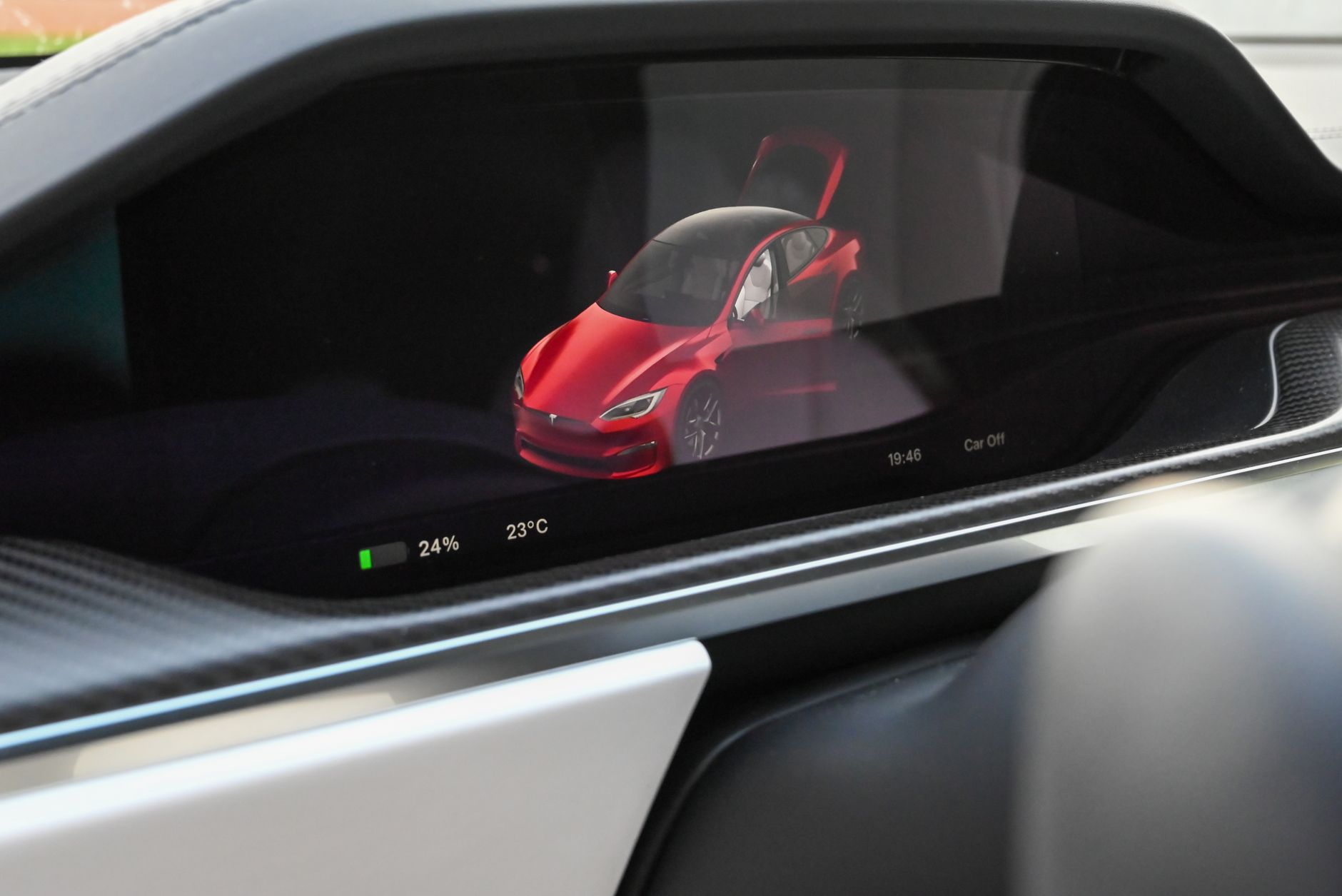
The electric vehicle market has transformed since Tesla first led with the Model 3. Once the clear leader in technology and charging networks, Tesla now competes with established automakers and new brands that have matched or exceeded its performance, range, and build quality.
Though the Model 3 remains one of the UK’s top-selling EVs—ranking just behind the Audi Q4 e-tron and Tesla’s Model Y—buyers in 2025 have far more compelling options. Chinese brands offer strong value, German engineering delivers refinement, and expanding choices go beyond Tesla’s ecosystem.
BYD Seal: A lower-cost alternative with Tesla-level specs
The BYD Seal directly competes with the Model 3, providing up to 354 miles of range and dual-motor performance in higher trims. Its interior, while not as minimalist as Tesla’s, feels premium for the price, featuring solid construction and a rotating touchscreen that adds a unique touch.
Tesla still leads in software and charging network integration. However, for buyers who prioritize value over brand loyalty, the Seal offers a more affordable option without sacrificing capability. The ride is firmer, and access to third-party chargers remains limited, but the trade-off may appeal to those seeking something different.
BMW i4: A refined electric option for driving enthusiasts
The BMW i4 handles like a traditional BMW—precise, composed, and quick in its M50 version. The iDrive system remains one of the best in the segment, offering a more polished experience than Tesla’s at higher speeds.
Range in the eDrive40 variant exceeds 350 miles, and the cabin matches the quality of BMW’s combustion models. Unlike some EVs with futuristic designs, the i4 blends in, which may attract traditional buyers. The downside is a smaller boot and a higher price than some competitors.
For BMW loyalists reluctant to switch to electric, the i4 makes the transition easy. It retains the brand’s driving character while delivering zero-emission performance.
Polestar 2: Scandinavian design meets advanced tech
The Polestar 2 stands out with its clean, minimalist styling and Google-based infotainment, which rivals Tesla’s system. Recent updates have extended range and lowered the price of rear-wheel-drive models, making it more accessible without sacrificing its premium feel.
The ride is firm, and rear headroom is limited, but the build quality and attention to detail make it feel more substantial than the Model 3. While Tesla still leads in efficiency, the Polestar appeals to those who value design and craftsmanship over flashy software.
Related: Alpina B3 GT Touring tested by Evo
It’s a strong option for buyers who want an EV that doesn’t look like every other car on the road.
Porsche Taycan: A performance-focused electric sedan
The Taycan doesn’t directly compete with the Model 3, but its performance makes it a worthy consideration. Porsche’s 800V architecture enables rapid charging, and the cabin quality surpasses most EVs, emphasizing tactile materials and driver engagement.
It costs more than the fastest Model 3 Performance but feels like a true driver’s car—agile, responsive, and exciting to drive. The rear seat is smaller, and the tech interface leans traditional rather than futuristic. For enthusiasts unwilling to compromise on driving pleasure, it sets a high standard.
This might be the only electric car on the list that makes the Model 3 feel like the compromise.
Kia EV6: Fast charging and everyday usability
The Kia EV6 was among the first EVs to challenge Tesla seriously, and recent improvements have strengthened its position. Its 800V charging system allows ultra-fast top-ups—10% to 80% in under 20 minutes—and the GT version adds impressive performance. Even base models feel nimble and responsive, making the EV6 a fun daily driver.
Compared to the Model 3, it offers more boot space and quicker charging, though Tesla’s software and long-term efficiency remain advantages. The ride is firm, and the sloping roofline reduces rear headroom, but for real-world usability and affordability, the EV6 is hard to beat. Its updated styling further enhances its appeal.
If Tesla’s ecosystem isn’t a priority, the EV6 delivers where it matters most.
The electric car market in 2025 no longer centers on Tesla. While the Model 3 remains a strong choice, alternatives now offer clear advantages—whether it’s the affordability of the BYD Seal, the driving experience of the BMW i4, or the practicality of the Kia EV6. Buyers no longer face a single vision of what an EV should be.
This change reflects broader competition. For the first time, Tesla’s dominance feels like one option among many.


