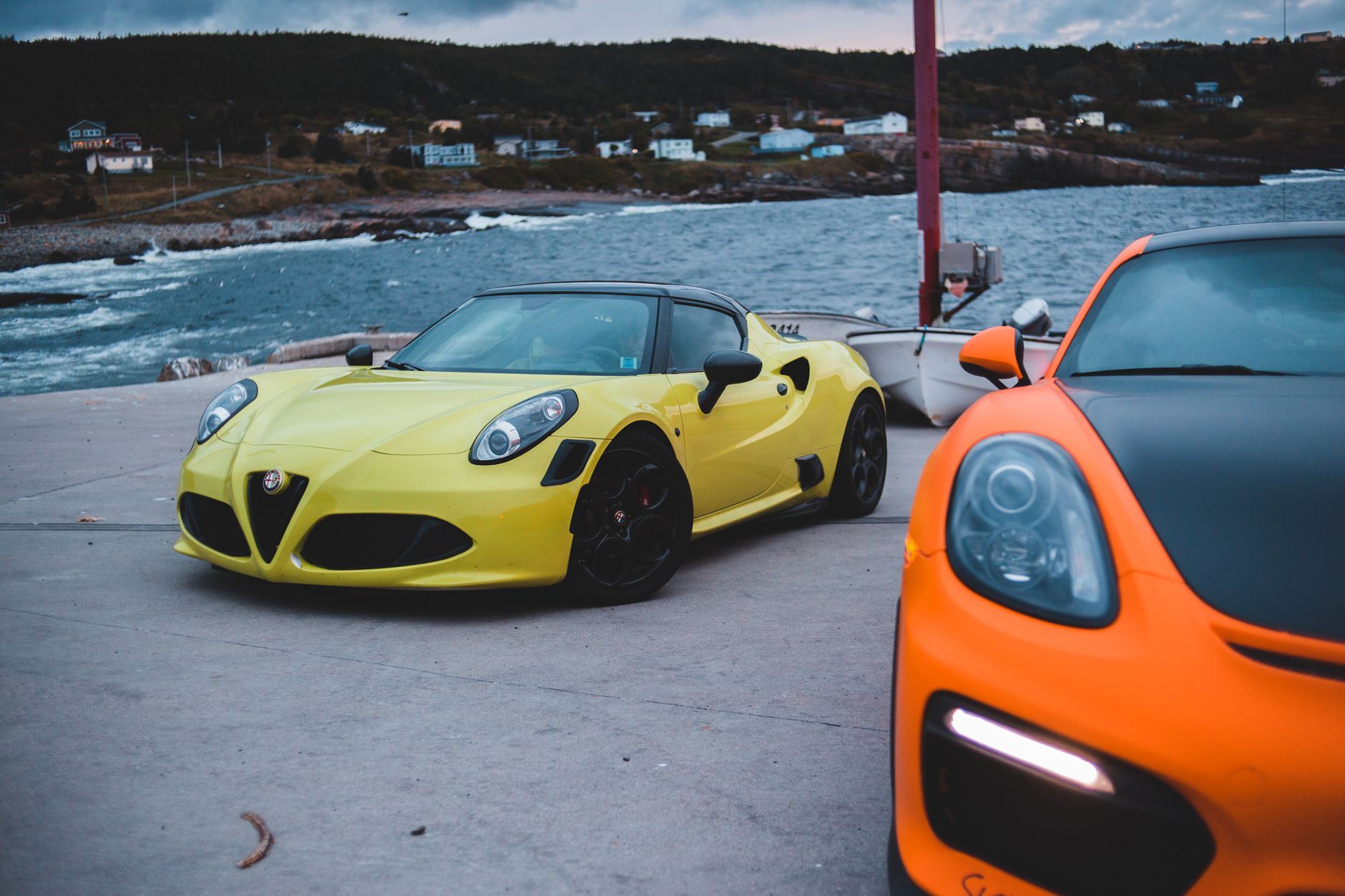
Porsche’s next-generation 718 Boxster and Cayman will launch with both electric and combustion powertrain options, according to the company’s CEO. Oliver Blume announced the shift during a September 19 investor call, revealing that the brand is rolling back its previous hard push toward full electrification. The decision comes as Porsche acknowledges a clear drop in demand for battery-only vehicles and struggles with supply chain delays.
Realigning the Lineup
Blume stated that the company will expand its internal combustion engine (ICE) and plug-in hybrid line-up to meet diverse market needs during the transition period. This includes new ICE and PHEV models, as well as a combustion and hybrid SUV to sit above the Cayenne. The company also plans life-cycle extensions for existing ICE and PHEV models, such as the Cayenne and Panamera, well into the 2030s.
The CEO described these upcoming ICE derivatives as “new products with substantial innovations” rather than simple upgrades. It is likely that the high-performance GT versions, such as the GTS and GT4, will be the combustion models retained, running alongside their electric counterparts. The 718 twins have faced a lengthy development process, complicated by two battery suppliers facing insolvency and other supply chain hurdles.
Related: Electric SUV takes on brutal terrain for real-world test
Electric Power and Performance Specs
The electric versions of the 718 twins are expected to offer a significant power boost over their combustion predecessors. While combustion outputs sit in the 300-500bhp bracket, the electric S models are projected to generate around 380bhp and 440lb ft, with the GTS spec featuring twin motors producing approximately 490bhp and 550lb ft. A Turbo version is also rumored to hit around 600bhp and 650lb ft.
Both S and GTS trims are said to utilize 89kWh batteries, though the Turbo model may employ a larger 99kWh pack. The cars will run on an 800-volt electrical system for rapid charging and feature prismatic battery cells. Official WLTP range estimates exceed 325 miles, and the system is designed to handle wide temperature variations. However, there are concerns regarding the financial stability of the Northvolt battery supplier, and it remains unclear where these energy packs will be manufactured.
Power delivery is expected to be exceptional, with sources describing the rear axle as dynamically remarkable and capable of extreme torque vectoring. The vehicles will utilize three motors in all-wheel-drive configurations, with the rear axle housing two motors for each wheel and a third motor driving the front axle. This setup should provide real slideability and rapid cornering capabilities.
Related: Range Rover GT review: what the CAR team thinks
Design and Interior Changes
Spy shots of the electric Boxster and Cayman reveal evolutionary design changes. The wheelbase has grown by 10-15cm to accommodate the T-shaped battery stack located between and behind the seats, while the rear track has widened to fit larger tires. A center charging port is visible on the rear end, and a vertical third brake light is expected.
The front of the vehicle is slightly longer and more pointed, with three automatically adjusted air intakes for a balance of low drag and cooling. The familiar four-point LED-matrix headlamps are present, and the rear light bar runs the full width of the car. Interior design remains functional, featuring three round instruments, modified switchgear with physical climate controls, and a traditional rotary drive mode device on the steering wheel. A short upright stub serves as the gear selector, and a passenger display is optional.
Despite the delay, Porsche may benefit from the wait. The original launch date in early 2023 coincided with a peak in EV enthusiasm, but market sentiment has cooled since then. The introduction of the MG Cyberster and other competitors has changed the setting. While the Taycan proved Porsche can build a compelling electric vehicle, used values for the first generation have dropped, and demand for the second generation has been softer than expected. The 983 platform, originally based on the VW Group’s SSP Sport, was eventually replaced by Porsche’s own Mission R architecture after the group-wide project was pushed back. Given the evolving market and Porsche’s history of dynamic excellence, the new 718 twins appear ready to face a more cautious consumer base.


