The escalating trade dispute between the United States and Canada has heavily disrupted North American automotive logistics.
According to newly released White House trade data, U.S. vehicle exports to Canada fell by a massive $5.6 billion during the first full year following Canada’s enactment of retaliatory automotive import surtaxes.
The drop represents a sharp 22 percent decline in American-manufactured vehicle exports across the northern border tracked between April 2025 and March 2026.
Canadian markets adapted by shifting their supply chains rather than halting purchasing altogether. During that same 12-month window, Canadian imports of passenger vehicles built in Mexico, Japan, South Korea, and Germany surged by a combined $2.85 billion.
Mexican assembly plants absorbed the lion’s share by claiming nearly $2 billion of that import growth.
Justification for New Tariffs
The auto export numbers served as the primary economic justification for U.S. President Donald Trump’s latest trade maneuver: three executive proclamations imposing a new 50 percent Section 338 tariff on a broad array of Canadian imports.
These new tariffs are set to take effect on August 19, 2026.
Crucially for the automotive sector, this incoming 50 percent penalty round deliberately spares Canadian-built finished vehicles and auto parts crossing into the U.S.
The White House is aiming the economic leverage at Canadian building materials, dairy products, and alcoholic beverages to pressure Ottawa into rewriting its trade rules.
The administration contends that Canada’s internal tariff architecture functions as a structural trap designed to lock out American manufacturing.
Since April 2025, Canada has maintained a 25 percent surtax on specific U.S. vehicle imports while concurrently levying duties against the non-North American component content of vehicles that would otherwise qualify for duty-free status under the United States-Mexico-Canada Agreement (USMCA).
Strict Canadian tariff-rate quotas (TRQs) heavily cap the total volume of vehicles automakers can bring into the country duty-free.
Logistics Pivot by Global Brands
To avoid swallowing the financial penalty of Canada’s 25 percent import duty, several global car brands have completely altered their vehicle sourcing pipelines over the past year.
Hyundai and Subaru systematically shifted the manufacturing allocation of vehicles designated for the Canadian market out of their U.S.-based assembly facilities, moving production back to overseas hubs.
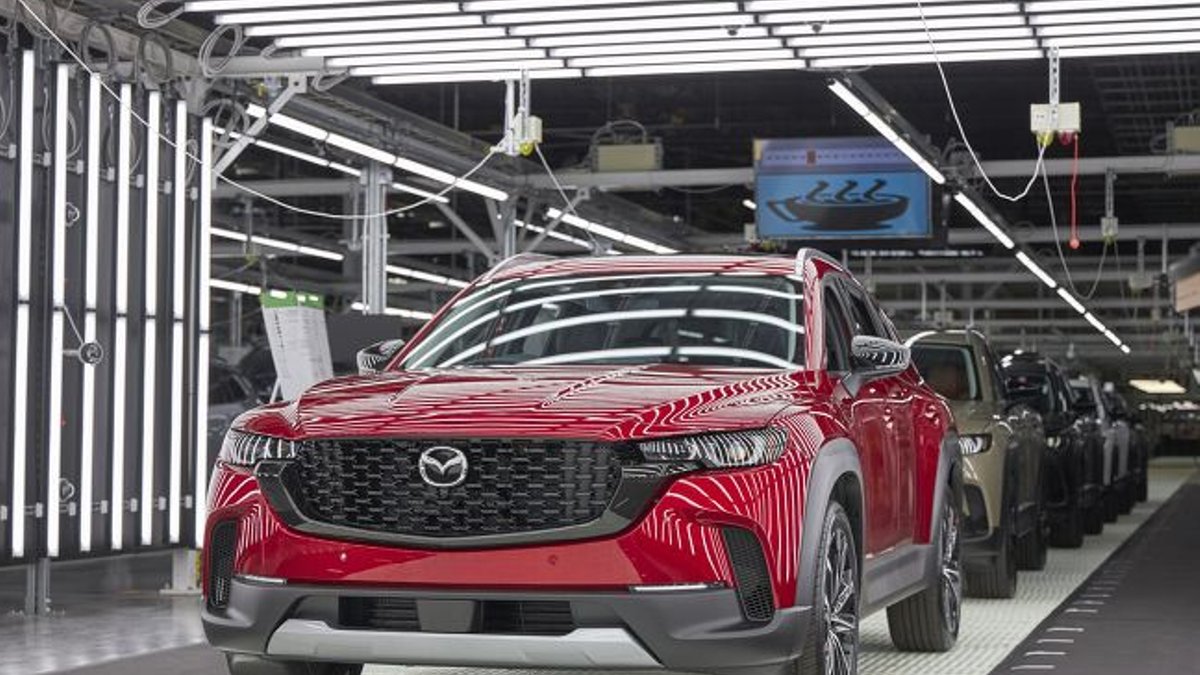
Mazda and Nissan dropped specific U.S.-built vehicle models entirely from their active Canadian dealership order sheets.
Conversely, legacy domestic manufacturers have managed to handle the dispute unscathed. Canada has continued to grant tariff-exempt entry status to U.S.-built imports originating from Ford, General Motors, Stellantis, Honda, and Toyota.
However, this exemption is tied strictly to those specific automakers maintaining high baseline production levels and direct capital investments inside Canadian borders.
Production shifts like these highlight the growing pressure on automotive logistics networks. Tesla Robotaxis Hit Texas Roads.


