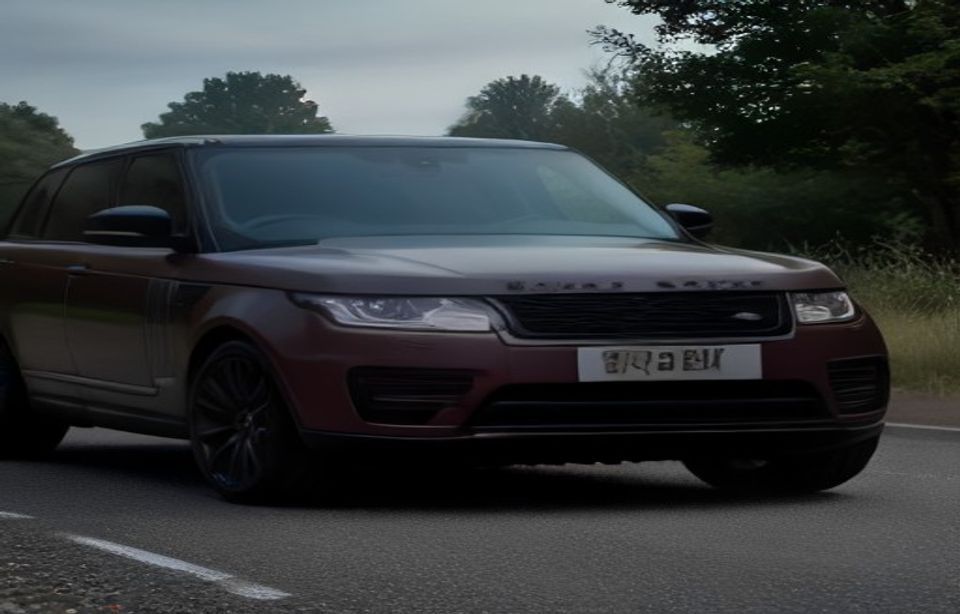
Land Rover has finally added a low-slung, road-biased electric grand tourer to its lineup, marking a significant shift for the brand. The new Range Rover GT is designed specifically for motorway cruising, departing from the traditional, high-riding image of the SUV. The CAR team has spent time analyzing the vehicle, debating whether this bold move will succeed or if it simply mirrors the controversial direction taken by its sister brand, Jaguar.
The arrival of the GT ends years of speculation about a “Road Rover.” Staffers note that the concept has been a rumour for as long as anyone can remember, finally becoming reality thanks to modern electric platforms. While some view the timing as cynical given the overlap with the Jaguar Type 01, others see it as a necessary evolution for the company.
There is a sense that Land Rover is leveraging its stronger brand equity to offset the risks associated with the controversial Type 01. The GT offers a more traditional path to innovation, potentially attracting customers who want the Range Rover badge but prefer a more focused driving experience over extreme off-road capability. This car feels like an act of reassurance to the market, proving the company can still deliver new ideas without courting controversy.
However, the skepticism is palpable. Some team members argue that a “halfway house” approach doesn’t work; if a customer wants a comfortable cruiser, the Mercedes S-Class already does that job better. The concern is that JLR is trying to spread its financial risks across multiple models after the Jaguar launch struggles, potentially diluting the unique identity that makes the Range Rover so valuable.
The Trouble with the “GT” Name
Perhaps the most contentious point of discussion is the car’s name. The team points out that “GT” has become a ubiquitous suffix in the automotive world, used to denote grand touring, but rarely accurately applied to SUVs. They draw comparisons to the various Mercedes-AMG GTs, noting that the term often lacks a specific definition when slapped onto a Range Rover.
Related: Porsche Taycan Takes Aim at Hypercars
Despite the name confusion, the principle of a more road-focused vehicle has merit. The current market shows that many Range Rover owners rarely leave the pavement, treating the vehicles more as luxury “waft-wagons” than genuine off-roaders. By lowering the stance and focusing on efficiency, the GT might better serve this demographic without alienating the loyal fanbase that buys the car for its badge and image rather than its 4×4 hardware.
Looking at the broader industry, the move aligns with a trend where luxury SUVs are increasingly prioritizing on-road trends over rugged utility. While some worry this signals the end of the SUV’s off-road heritage, others see it as a natural progression. The success of the GT will likely depend on whether buyers are willing to accept a coupe-like silhouette that sacrifices some practicality for style.
The GT aims to capture a specific slice of the market, offering performance and elegance. Off-road capability takes a backseat here, as the engineers focused on creating a machine that glides effortlessly over long distances. This approach mirrors the philosophy seen in high-performance sedans, where comfort is king.
Ultimately, the Range Rover GT represents a calculated gamble. It attempts to bridge the gap between a traditional luxury SUV and a high-speed grand tourer, a niche that is both challenging and potentially lucrative. The automotive world watches closely to see if the British marque can successfully execute this ambitious vision.


