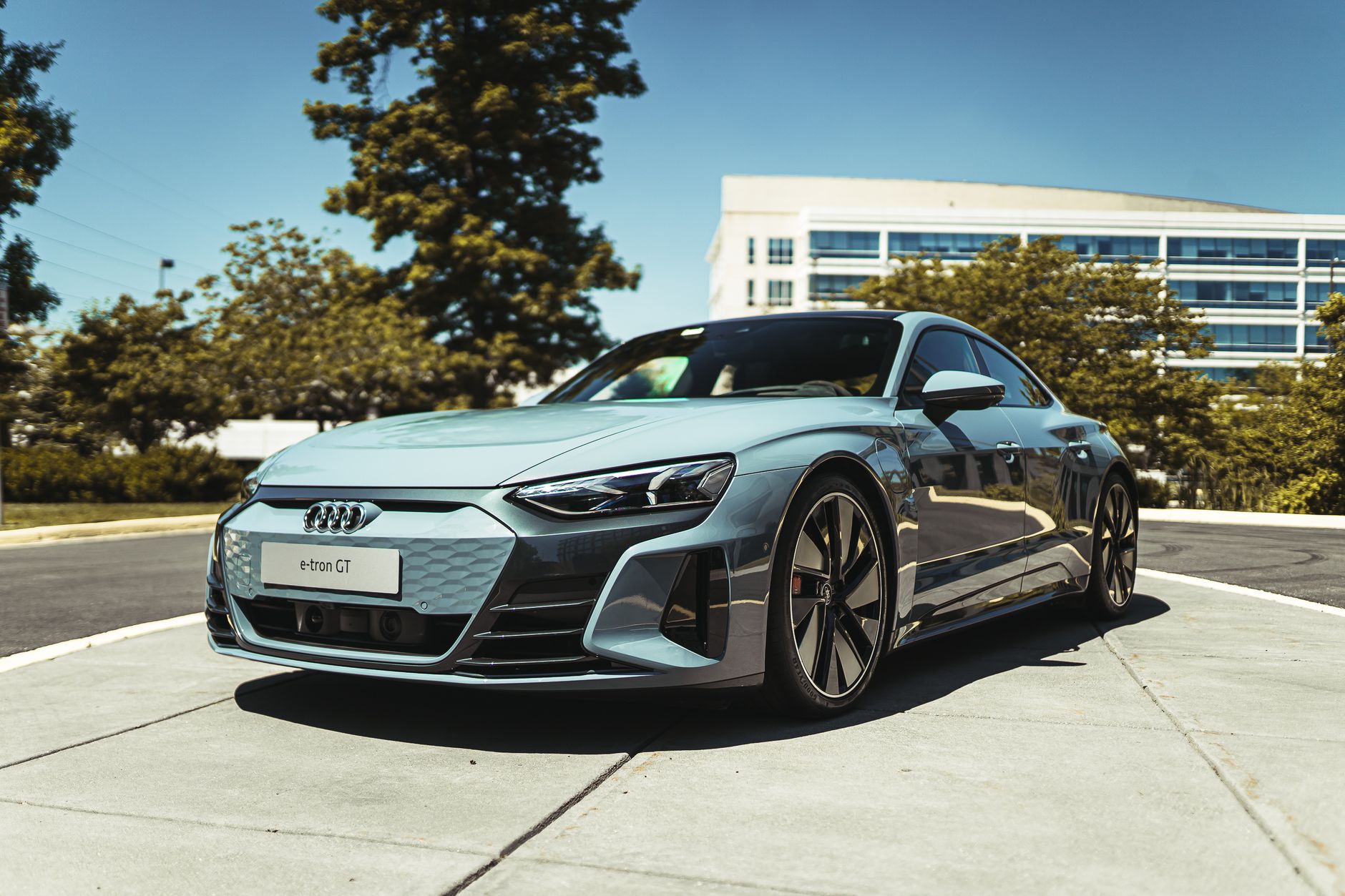
The German automaker revives a name from its past with the A2 e-Tron, a compact hatchback positioned at the bottom of its electric lineup, and promises it will be the most efficient vehicle it has ever produced.
Design and Aerodynamics
Unlike the original two‑decade‑old model, the new version rides on the rear‑wheel‑drive MEB+ platform shared with a recent VW compact, which sets fixed hardpoints for the chassis.
To differentiate, engineers focused on shape and airflow. The car’s drag coefficient is listed at 0.24 Cd, achieved through a low roof, an integrated spoiler, and a discreet active duct in the lower bumper.
Small fins in the wheel arches—referred to by the team as “gap reducers”—guide air away from the rotating wheels, while specially contoured panels on the C‑pillars smooth the flow.
Even the mirrors have been reshaped, and an optional acoustic side glass can cut cabin noise further.
Under the body, panels seal off complex geometry around the rear axle, a detail that the aerodynamics engineer says consumed most of the development time.
Related: Jaguar Type 01 interior unveiled with fresh design
Finger‑pull door handles sit flush with the doors. They look sleek, but the engineer admits they add little aerodynamic benefit, serving mainly to complete the visual language.
The interior remains hidden for now, but the prototype shows a curved digital display and a central armrest with a tray, echoing design cues from other recent models.
Performance and Efficiency
The test car carries a 61 kWh lithium‑iron‑phosphate pack, can accept up to 105 kW DC for a 10‑to‑80 percent charge in 26 minutes, and supports bi‑directional charging for home or load use.
When driven in a more typical style, the figure fell to 4.47 mi/kWh, still impressive for a car of its class.
One could argue that the car’s efficiency edge may translate into lower operating costs, making it attractive for city commuters seeking a low‑impact daily driver.
Driving Impressions
On the road, the vehicle feels taut and well‑balanced through corners, with the aerodynamic work keeping wind noise low even at highway speeds, especially when acoustic glass is fitted.
Related: Andersen A2 Charger Blends Style With Function
Acceleration from the mid‑spec powertrain is adequate for everyday use, though the lack of early brake bite can feel unsettling to some drivers.
The cabin is quiet, and the climate system set to 22 °C during the test did not noticeably affect the efficiency numbers.
Door operation is unusual; the narrow pull zone offers no tactile click, requiring a small force to latch, which many may find unintuitive.
Overall, the prototype demonstrates that a compact EV can combine sleek aerodynamics with respectable performance, even if it leans on shared components rather than pioneering new architecture.
Looking ahead, the brand’s ability to deliver a truly differentiated small electric car will depend on how it refines the interior experience and addresses the early‑brake feel before the autumn launch.


