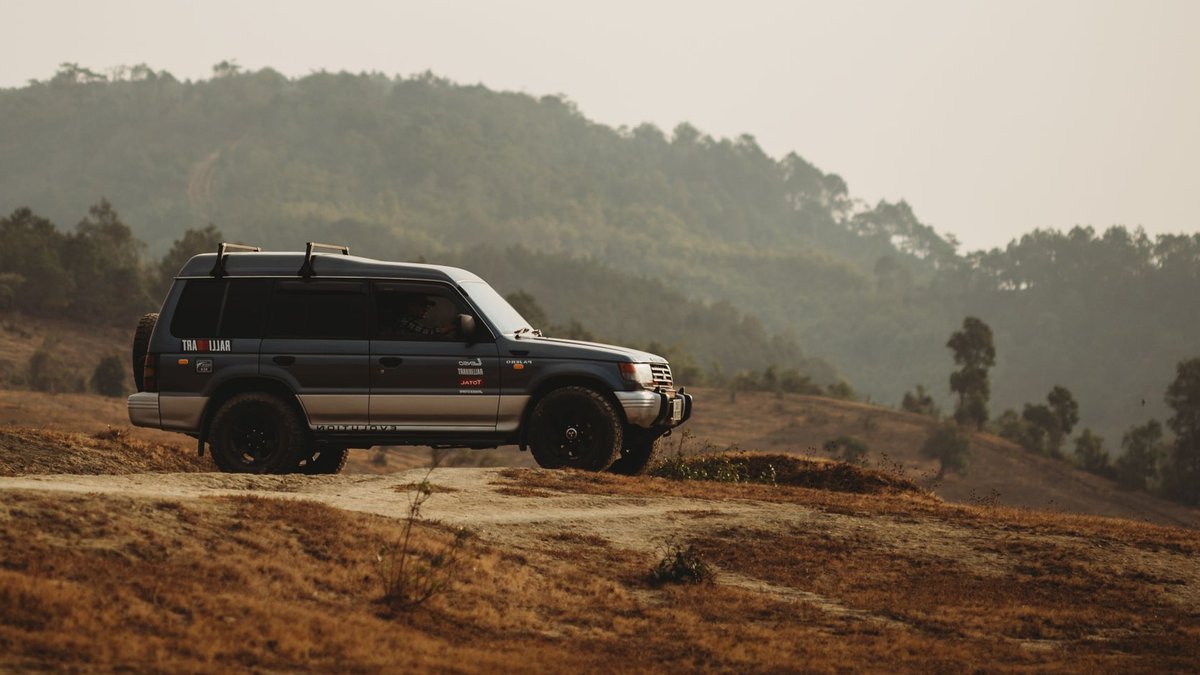
Mitsubishi Motors has set an official release window for the next generation of its Pajero, targeting a global debut in the Japanese autumn this year. The company confirmed the model will arrive between September and November, marking the first major launch for the vehicle since its predecessor was discontinued.
The pressure to succeed
Takaaki Matsumoto, the Chief Vehicle Engineer for the new model, addressed the heavy expectations placed on the project. He admitted that taking on the responsibility of developing a vehicle that symbolizes the Mitsubishi brand was a mix of anxiety and excitement. “When it was decided to take on this heavy responsibility… it was a strange feeling of a mixture of expectations and anxiety,” he stated.
Matsumoto emphasized that the development team faced a difficult challenge in aligning all staff members around a singular vision of what the car should be. “The most difficult thing for the development was that all the staff involved in the development shared ‘what Pajero should be like’ and put it into a specific plan,” he noted. However, as the design skeleton was finalized and prototypes began to take shape, the team developed a strong sense of confidence.
Related: Riding electric scooters in Australia: Is it illegal?
Comfort and capability
The new vehicle is designed to blend on-road comfort with off-road capability, a balance Matsumoto claims is central to the model’s identity. “In the development of the new Pajero, we aimed to inherit and evolve the vulnerability and comfort that successive Pajeros have been about,” he explained. The goal was to transform the 4WD system, originally designed for working vehicles, into an “all-round 4WD that anyone can run comfortably on any road.”
The engineering focus extended to the interior, where the company used craftsmanship to achieve an elaborate design. “With the skills of craftsmen, we were able to embody an elaborate design that is difficult for mass-produced cars,” Matsumoto said. He also highlighted the improvements in static and dynamic quality, suggesting the car is built to last.
Design goals and legacy
Mitsubishi’s chief product specialist, Kunitoshi Itagaki, described the driving experience as a source of security and adventure. “A sense of high-quality quality… the driving performance and reliability that anyone can go anywhere with confidence… Each of these leads to a sense of security that this car is fine,” he said.
Related: Chery Tiggo 9 Elite Super Hybrid Great Value
Norihiko Yoshimine, the program design director, focused on the dual task of honoring history while pushing the brand forward. “I aimed not only to inherit Pajero’s design philosophy, but also to evolve it to lead to the future,” Yoshimine stated. He added that the new model is intended to appeal not only to long-time fans but also to younger generations, positioning the vehicle as the primary driver of the company’s future.
While the new Pajero focuses on evolution, the broader market context for personal mobility includes various electric options. Many potential buyers in Australia are exploring alternatives like electric scooters, which are subject to strict regulations regarding where they can be ridden. Understanding these rules is essential for safe operation.
Another area of interest for consumers involves the high-performance segment of the automotive market. The Chery Tiggo 9 Elite Super Hybrid offers a compelling package for those seeking advanced technology and value. This vehicle represents a shift in the competitive setting.


