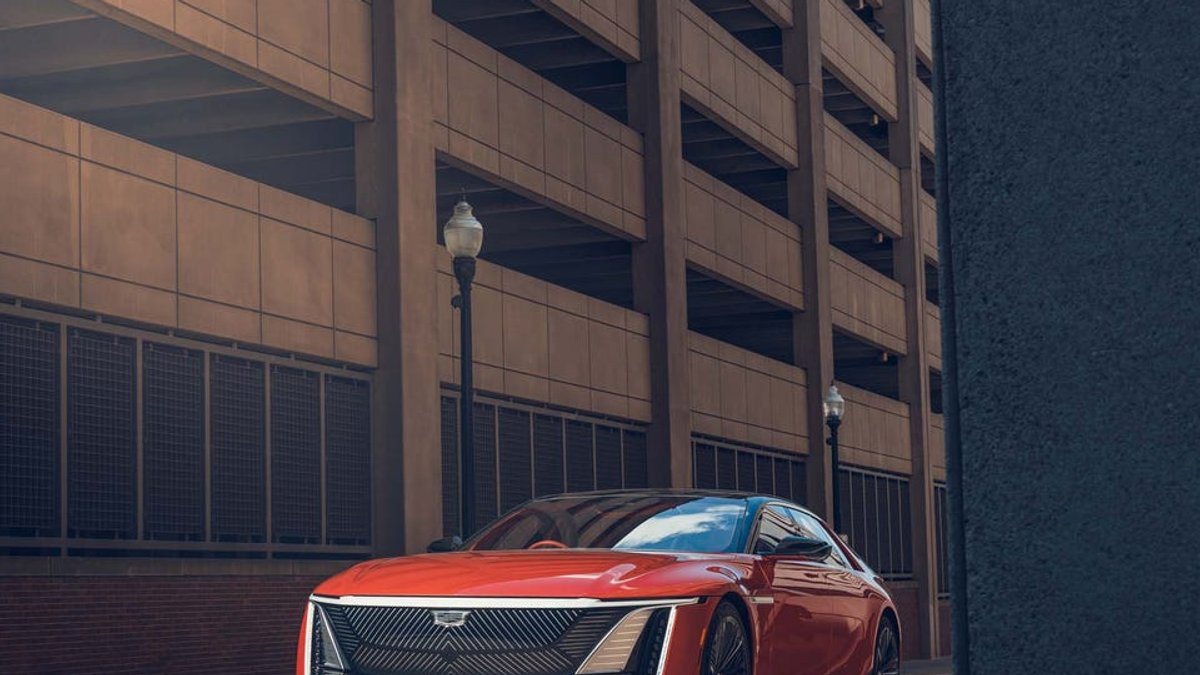
GM will shut down its Brownstown Battery Assembly plant when its lease expires, while also converting a separate facility that was originally designated for hydrogen fuel cell technology. The Brownstown site had manufactured batteries and electric drivetrain components for both the Cadillac Celestiq and the Corvette E-Ray.
This shift reflects GM’s decision to refocus on traditional internal combustion engines after suffering significant financial losses from its alternative energy projects. Just a short time ago, the company was pouring resources into electric vehicle development, launching multiple EV models and even setting a goal to achieve net-zero emissions by 2040.
Shift in Strategy
However, consumer interest in electric vehicles has fallen short of expectations, and the expiration of federal EV tax incentives has made the market even less appealing for potential buyers. As a result, many automakers have had to abandon their alternative fuel strategies after pouring billions into research and development—only to see weak demand undermine their investments.
GM is now the most recent manufacturer to abandon a major portion of its alternative energy operations. The company plans to close its Brownstown Battery Assembly plant, a 480,000-square-foot leased space, and will instead repurpose another facility that was originally intended for hydrogen fuel cell production.
Impact on Production
Though the luxury Celestiq EV will continue production through 2027, the E-Ray has been discontinued in favor of the Corvette Grand Sport X. Roughly 80,000 square feet of the Brownstown plant had been allocated to hydrogen energy research.
In 2017, GM formed a partnership with Honda to develop hydrogen fuel cell technology, with the Brownstown plant serving as the collaboration’s base for years before the venture ended last year. GM has since discontinued its hydrogen fuel cell work, citing prohibitive costs, inadequate infrastructure, and minimal consumer demand.
A GM representative stated, ‘The lease for the Brownstown Battery Assembly plant expires next year, and we will relocate these operations to other nearby GM facilities.’ The abandonment of the hydrogen project also leaves GM with an excess facility in Detroit that requires a new purpose.
Because the Cadillac Celestiq will still be produced, GM must identify alternative locations to manufacture its batteries once the Brownstown plant closes, as well as the batteries and electric motors for remaining Corvette hybrid models. The company has not disclosed where these operations will be moved.
GM’s heavy investments in electric vehicles and hydrogen fuel cell technology have reportedly led to substantial financial losses, prompting the company to realign with broader industry trends by temporarily emphasizing gasoline-powered vehicles. Most of GM’s current electric models are rebadged versions of existing gas-powered cars.


